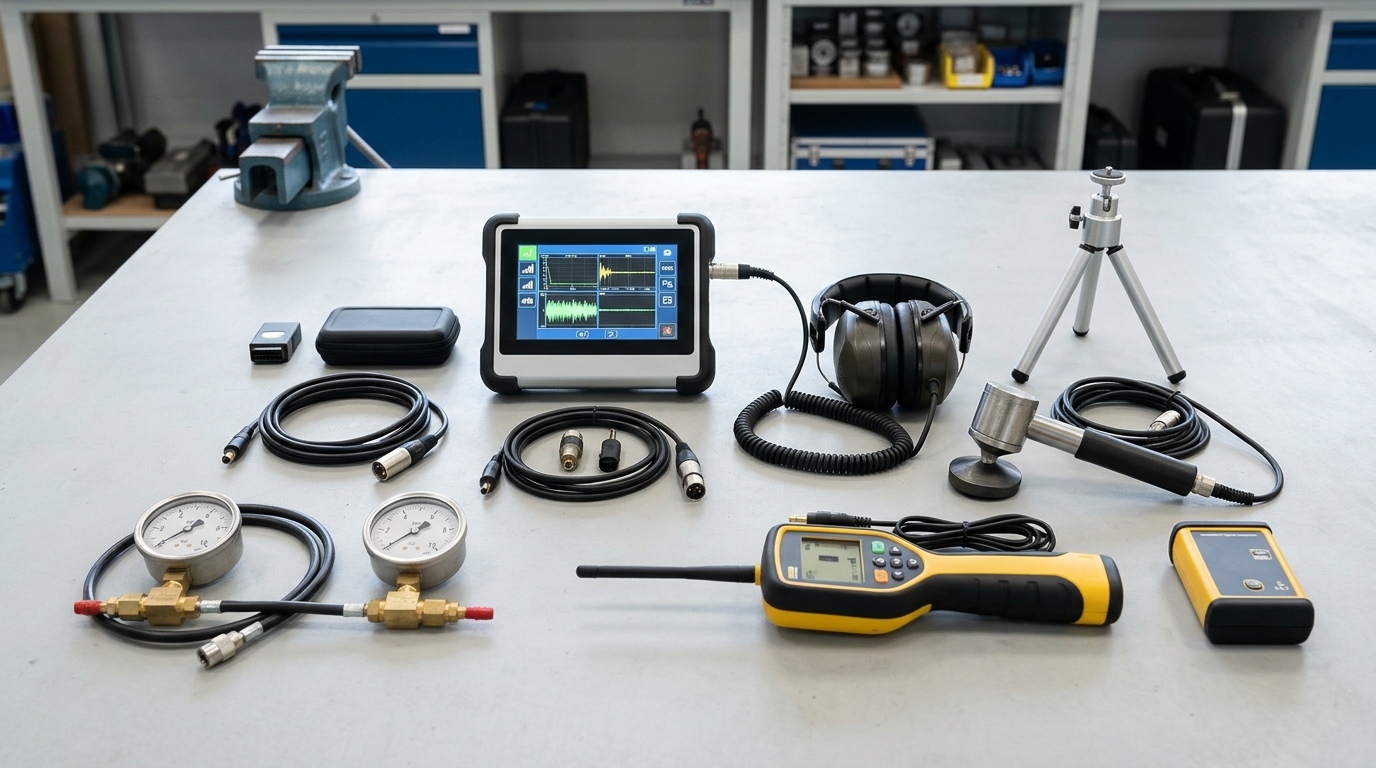
Non-Destructive Leak Detection for Lodi Foundations
When water flows invisibly beneath your concrete floor, guessing its location is a costly mistake. Breaking open concrete randomly destroys flooring, creates structural stress, and often misses the true point of pipe failure. Our specialized slab leak repair in Lodi relies on advanced electronic leak detection Lodi homeowners trust to pinpoint the exact failure point before any work begins.
Whether your home sits on an older foundation near Downtown Lodi or in newer subdivisions near Lodi Lake and the Mokelumne River, non-invasive diagnostics protect your property value and minimize repair costs.
Primary Warning Signs and Initial Water Meter Test
Recognizing early indicators of underground failure gives you the advantage. Before booking an electronic survey, you can conduct a straightforward preliminary slab leak test Lodi homeowners can perform in five minutes:
- Turn off all interior and exterior plumbing fixtures, including toilets, faucets, washing machines, ice makers, and garden hose bibs.
- Locate your city water meter box, generally installed in a ground utility vault near the street curb.
- Examine the register dial. Look for a small red, black, or blue low-flow indicator wheel (triangle or asterisk), or monitor the digital digit readouts.
- If the indicator continues turning while all faucets are closed, pressurized water is escaping somewhere in your system.
Additional physical symptoms include warm flooring sections underfoot, sounds of rushing water within walls, damp baseboards, or a dramatic jump on your municipal utility bill. If your test confirms continuous water movement, contact our team immediately at (888) 205-7875.
Why Non-Invasive Location Keeps Concrete Breaking to a Minimum
Historically, plumbers used sledgehammers to track leaks based on rough guesses or surface moisture. In concrete foundations, however, water frequently travels dozens of feet along underground gravel beds before finding a foundation crack to surface. Acoustic ground microphones and frequency sensors isolate the exact breach within inches, ensuring that if excavation is chosen, it is confined to a tight, minimal area.
Advanced Multi-Stage Diagnostic Protocol
Achieving pinpoint accuracy requires cross-verifying data through multiple non-invasive technologies. Our certified leak under slab detection Lodi technicians employ a rigorous four-phase protocol:
1. Isolating Hot vs. Cold Plumbing Lines
By closing the inlet shutoff valve at your water heater, we isolate the domestic hot water network from the cold supply line. Re-checking line pressure confirms instantly which subsystem is losing integrity, cutting the diagnostic search area in half.
2. Hydrostatic Pressure Testing
Precision digital pressure gauges are connected to system hose bibs or laundry faucets. After sealing the plumbing manifold, we monitor pressure drops down to a tenth of a pound per square inch (PSI), confirming the presence and relative scale of hidden pipe fissures.
3. Acoustic and Electronic Frequency Listening
Pressurized water escaping an underground copper pipe generates high-frequency acoustic vibrations against surrounding soil and aggregate. Our technicians use filtered ground microphones, acoustic surface discs, and noise-canceling headsets to sweep the foundation, tuning in to distinctive underground sonic signatures.
4. Infrared Thermal Imaging
When diagnosing domestic hot water lines, high-resolution infrared cameras map surface temperatures across concrete slabs, tile, and hardwood. Thermal imagery visualizes subterranean heat blooms directly above leaking pipes, matching acoustic readings with clear visual proof.
5. Electromagnetic Pipe and Sonde Tracing
Using low-frequency signal transmitters clamped to accessible fixtures, we trace the precise underground path, direction, and depth of buried copper lines through your concrete foundation.
Need Accurate Slab Leak Detection in Lodi?
Stop the guesswork. Speak directly with a local diagnostic specialist and pinpoint foundation leaks before damage spreads.
Call (888) 205-7875What Your Written Leak Report Includes
Following our diagnostic evaluation, homeowners receive a comprehensive written diagnostic report. This document is essential for evaluating your next repair steps and filing documentation with your insurance carrier. Your report details:
- Precise architectural schematic identifying the exact coordinate and depth of the pipe failure.
- Identification of line classification (cold domestic water supply vs. hot water recirculating line).
- Hydrostatic pressure decay measurements recorded during isolation testing.
- High-resolution infrared thermal photographs showing subsurface temperature gradients.
- Evaluation of surrounding pipe integrity, checking for signs of widespread copper corrosion or repeated pinhole vulnerability.
- Objective recommendations comparing a direct spot repair against an overhead slab leak reroute or complete whole-house repiping.
Serving Downtown Lodi, Galt, and Surrounding Areas
We provide fast, accurate leak detection services for homes throughout Downtown Lodi, as well as suburban developments along the Mokelumne River and near SR-99. Our service area also extends to nearby communities including Galt and August. Learn more about local service coverage on our Service Areas page.
Frequently Asked Questions About Slab Leak Detection
Does leak detection require cutting into my floor?
No. Our diagnostic methodology is 100% non-invasive. We locate leaks using sensitive acoustic ground sensors, electromagnetic pipe tracers, and infrared thermal cameras without damaging your flooring or concrete.
How long does a typical slab leak detection take?
Most residential foundation leak detections in Lodi take between 1.5 to 3 hours, depending on home square footage, flooring materials, and system complexity.
What should I do while waiting for the diagnostic technician?
If water is actively surfacing or your meter is spinning rapidly, shut off the main water valve at your front hose bib or garage. Avoid running high-demand appliances, and capture photos of any visible moisture or warm floor areas.